
Filters Reset
Save Search
54.2K Properties
10,000+ Properties Available
 4 Beds4 Baths2,959 SqFt3DNew
 3 Beds3 Baths2,001 SqFt1/43 43New
 3 Beds2 Baths1,514 SqFt1/33 33New
 3 Beds3 Baths1,625 SqFt1/68 68Coming Soon
 2 Beds2 Baths952 SqFt1/15 15New
 3 Beds2 Baths1,431 SqFt1/15 15New
 3 Beds3 Baths1,960 SqFt1/21 21New
 2 Beds2 Baths1,312 SqFt1/36 36New
 3 Beds2 Baths1,460 SqFt1/40 40New
 3 Beds2 Baths1,000 SqFt1/11 11New
 4 Beds5 Baths4,805 SqFt1/36 36New
 3 Beds2 Baths985 SqFt1/50 50New
 2 Beds1 Bath975 SqFt1/17 17New
 3 Beds2 Baths1,337 SqFtPending
$525,000
12645 Oakwood Shores ST, Yankee Springs Twp, MI 49348
Listed by RE/MAX of Grand Rapids (FH)

 3 Beds1 Bath1,012 SqFt1/26 26New
$350,000
6228 Applewood LN, Whitewater Twp, MI 49690
Listed by Coldwell Banker Schmidt Traverse City
 2 Beds2 Baths962 SqFt1/26 26New
 3 Beds1 Bath1,140 SqFt1/25 25New
 5 Beds4 Baths2,343 SqFt3DNew
 2 Beds1 Bath1,081 SqFt1/18 18New
 4 Beds4 Baths2,184 SqFt1/31 31Coming Soon
 6 Beds2 Baths2,092 SqFt1/56 56New
 3 Beds1 Bath974 SqFtComing Soon
 3 Beds1 Bath1,000 SqFt1/25 25Coming Soon
 3 Beds2 Baths1,704 SqFt1/27 27New
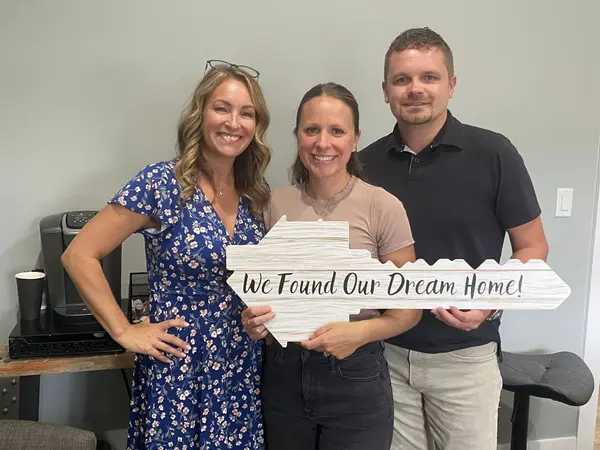
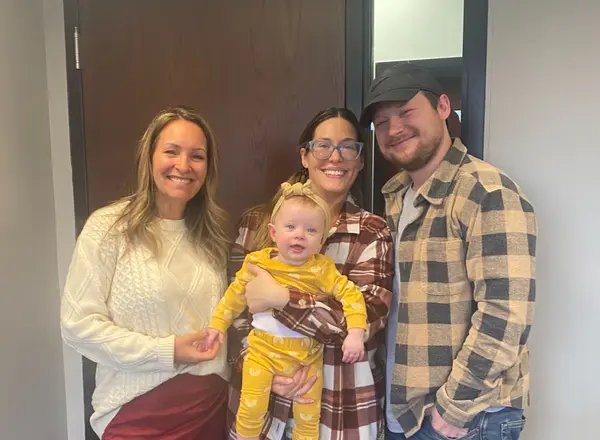
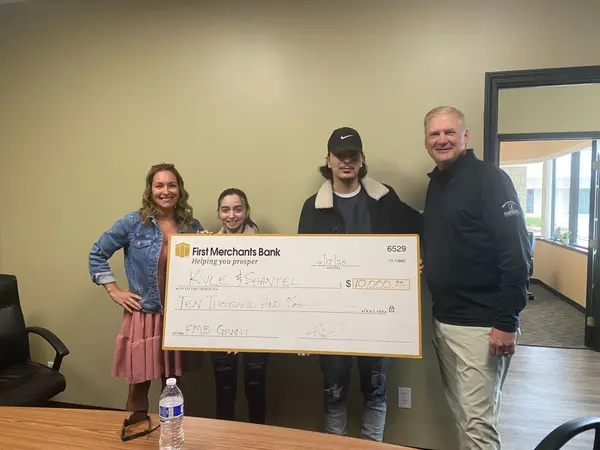
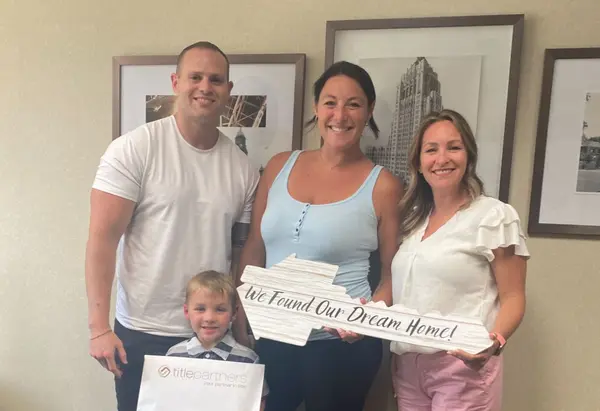
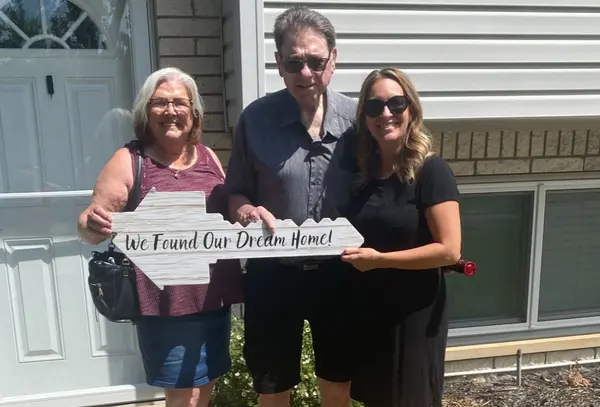
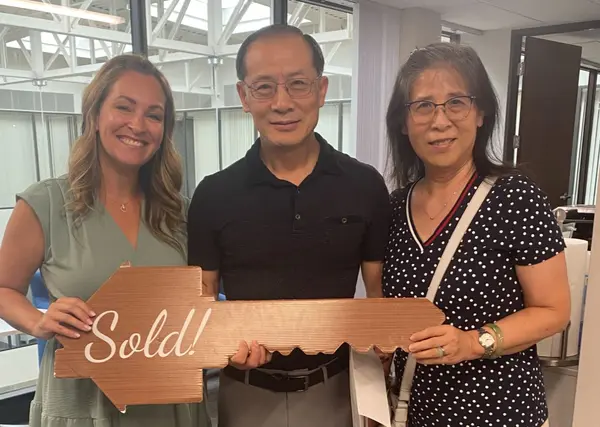
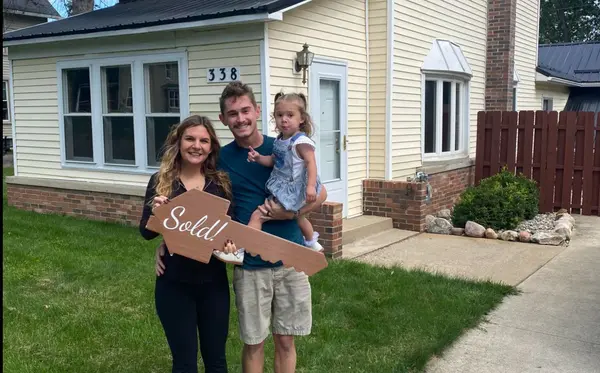
Happy Clients!
COMMON QUESTIONS
How much do I need for a down payment on a home?
The amount you need for a down payment depends on the type of loan and your financial situation. While 20% is a common benchmark, many buyers put down less—some conventional loans allow as little as 3%, and FHA loans require just 3.5%.
What’s the difference between pre-qualification and pre-approval?
How does my credit score affect my mortgage rate?
What are closing costs, and how much should I expect to pay?
How long does the homebuying process usually take?
Can I buy a home if I’m self-employed or have irregular income?
What’s included in my monthly mortgage payment?