
Filters Reset
Save Search
54K Properties
10,000+ Properties Available
 3 Beds1 Bath1,397 SqFt1/38 38Active Under Contract
 5 Beds2 Baths1,887 SqFt1/58 58Active
 3 Beds3 Baths1,782 SqFtPending
 4 Beds3 Baths2,114 SqFtPending
 3 Beds2 Baths1,157 SqFt1/33 33Active Under Contract
 2 Beds1 Bath812 SqFt1/25 25Active
 3 Beds2 Baths1,300 SqFt1/22 22Active
 4 Beds1 Bath1,329 SqFt1/13 13Active
 4 Beds2 Baths1,445 SqFt1/46 46Active
 4 Beds2 Baths1,519 SqFt1/20 20Active
 2 Beds3 Baths1,623 SqFt1/24 24Active
 2 Beds1 Bath880 SqFt1/36 36Active Under Contract
$175,000
3101 Hazel RD, Hamilton Township, MI 48625
Listed by Berkshire Hathaway HomeServices Kee Realty Oxford

 4 Beds4 Baths2,500 SqFt1/31 31Active
 3 Beds2 Baths1,238 SqFtPending
 3 Beds1 Bath1,542 SqFt1/19 19Active
 3 Beds2 Baths2,073 SqFt1/34 34Active
 3 Beds1 Bath1,008 SqFt1/40 40Active
 3 Beds1 Bath1,075 SqFtPending
 3 Beds1 Bath2,300 SqFt1/52 52Active
 2 Beds1 Bath692 SqFt1/17 17Active
 1 Bed1 Bath713 SqFt1/34 34Active
 3 Beds1 Bath1,405 SqFt1/16 16Active
 3 Beds2 Baths1,063 SqFt1/14 14Active Under Contract
 4 Beds1 Bath1,150 SqFt1/3 3Active
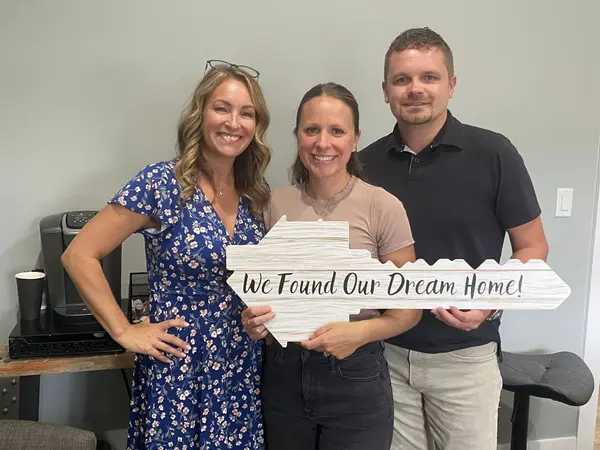
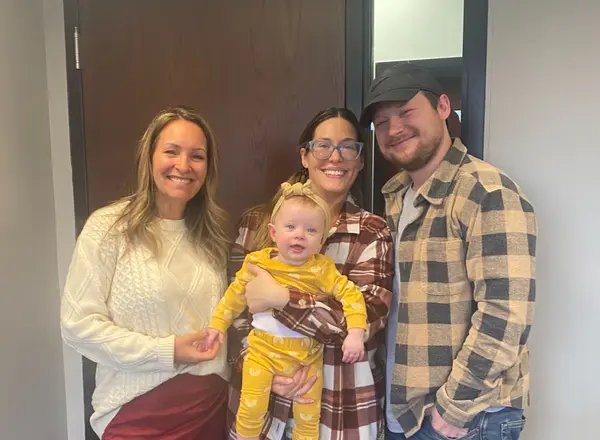
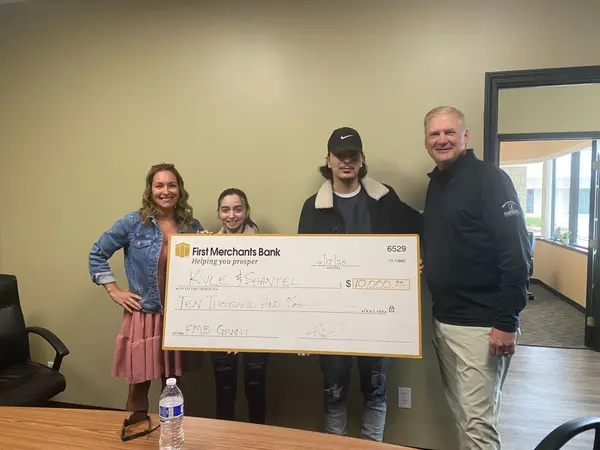
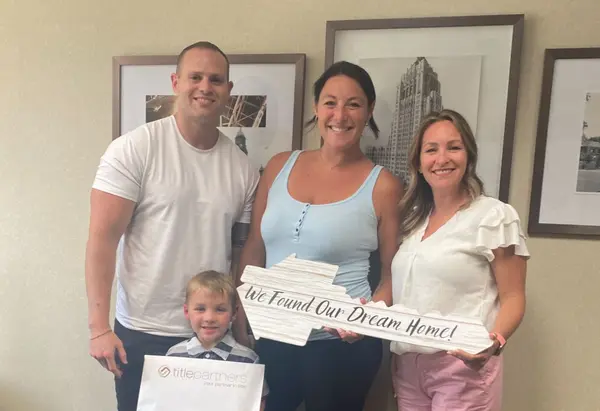
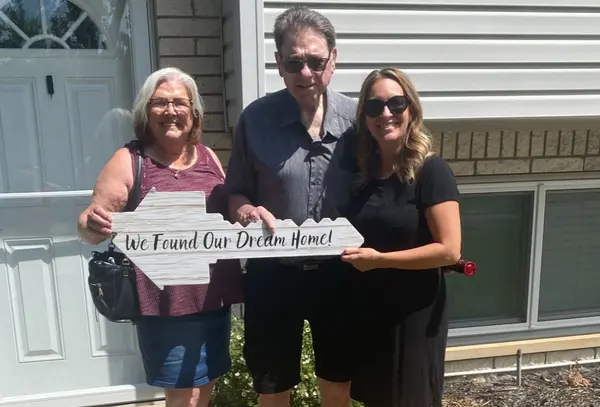
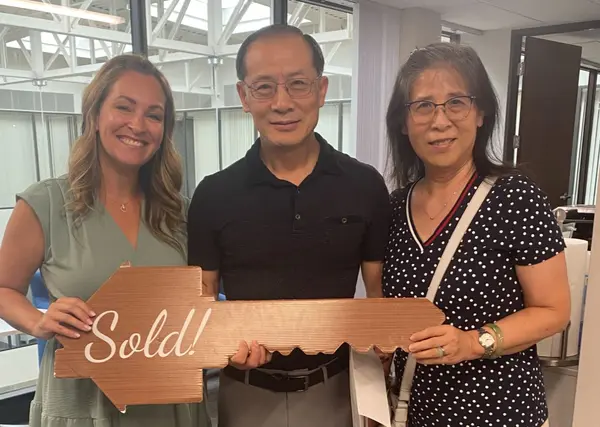
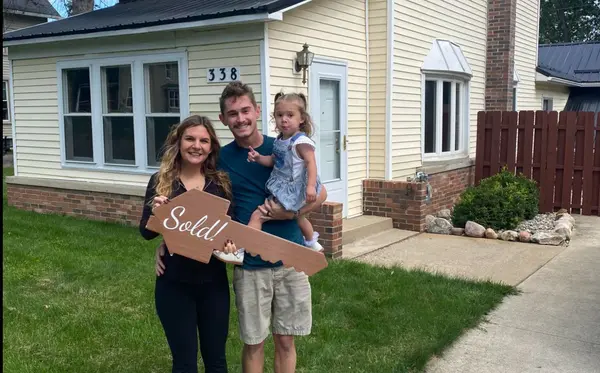
Happy Clients!
COMMON QUESTIONS
How much do I need for a down payment on a home?
The amount you need for a down payment depends on the type of loan and your financial situation. While 20% is a common benchmark, many buyers put down less—some conventional loans allow as little as 3%, and FHA loans require just 3.5%.
What’s the difference between pre-qualification and pre-approval?
How does my credit score affect my mortgage rate?
What are closing costs, and how much should I expect to pay?
How long does the homebuying process usually take?
Can I buy a home if I’m self-employed or have irregular income?
What’s included in my monthly mortgage payment?